Skip to Content
Search
Search for:
Close Search
×
Search
Search for:
Close Search
×
Home
Recipes
Instant Pot
Party Menus
Appetizers and Snacks
Drinks and Beverages
Cakes, Cookies, and Cupcakes
Desserts
Soups and Salads
Breads and Rolls
Pizza, Burgers, and Sandwiches
Pasta and Noodles
Main Course
Indian Cuisine
Indian Dishes
Indian Sweets
Slow Cooker Recipes
Vrat Food
No Onion No Garlic Recipes
Non veg recipes
Breakfast
Accompaniments and Sides
Guides
Web Stories
Kitchen Basics
Festivals
Reference Guide
Shop
About
Work With Me
Contact Us
Privacy Policy
Search
Search for:
Categories
Categories
Select Category
Accompaniments and Sides
Akbar And Birbal Stories
Appetizers And snacks
Breads and Rolls
Breakfast
Cakes, Cookies, and Cupcakes
Conversions
Dairy Free
Desserts
Drinks and Beverages
Egg Free
Glossary
Gluten Free
Indian Cuisine
Indian Festivals
Indian Mythology Stories
Indian Sweets
Instant Pot
Kitchen Basics
Main Course
No Bake
No Onion No Garlic Recipes
Non veg recipes
Nut Free
Paleo
Panchatantra Stories
Party Menus
Pasta and Noodles
Pizza, Burgers, and Sandwiches
Recipe Bundle
Recipes
Slow cooker recipes
Soups and Salads
Sp – 1
Sp – 10
Sp – 11
Sp – 12
Sp – 13
Sp – 14
Sp – 2
Sp – 3
Sp – 4
Sp – 5
Sp – 6
Sp – 7
Sp – 8
Sp – 9
Spice Guide
Under 30 Minutes
Vegan Recipes
Vegetarian
Vrat Food
Reference Guide and Conversions!
Reference Guide And Conversions!
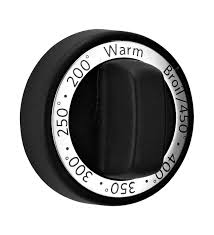
Temperature Conversion Chart
Conversion chart – Grams, Liters, Gallons, Cups, Ounces
Subzi means Vegetable
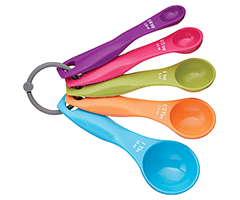
Dry and Liquid measurements – Cheat Sheet
Calculate Metric conversions
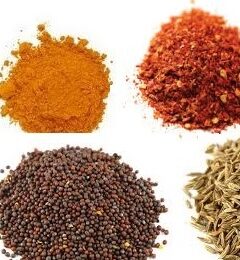
Illustrated spice guide
Baking Ingredients Glossary
Spice Guide
Common Kitchen Measurements (Dals, Spices, Fruits..)
Fruit and Vegetable Equivalents
Dry and Liquid Kitchen Substitutes
Indian glossary
Egg Substitutes
Dals – Indian term used for Lentils
Reduce the recipe servings